
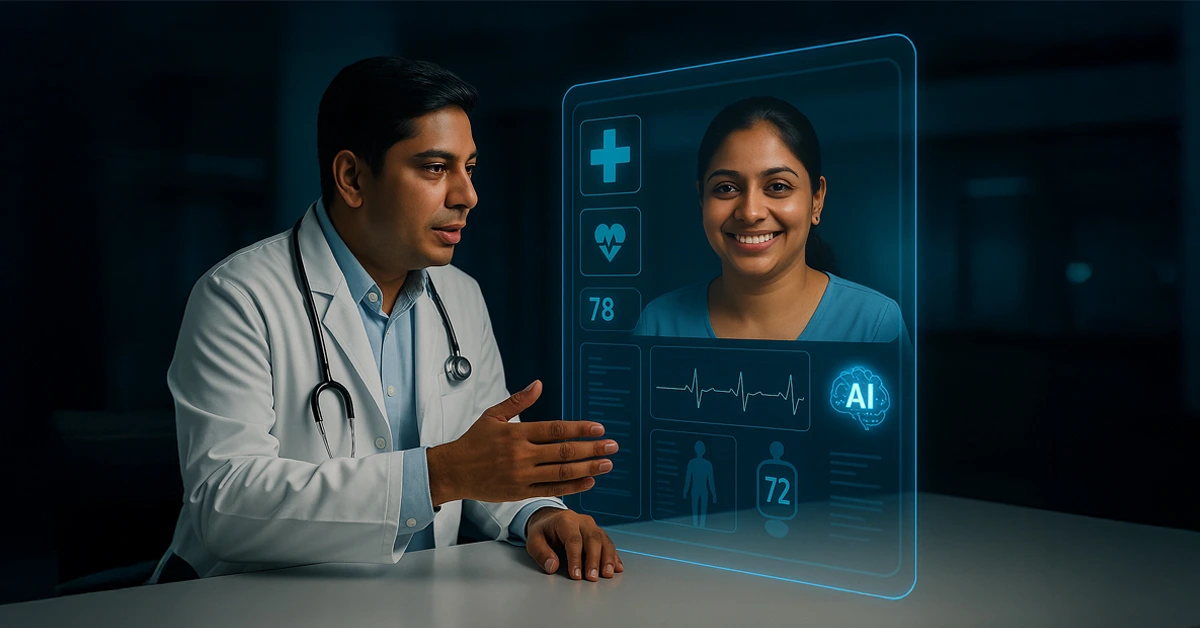
As we advance through 2025, the healthcare industry is witnessing a paradigm shift. What once began as an emergency response to the global pandemic has now matured into a sophisticated, scalable component of modern care. The future of telemedicine is no longer theoretical, it is foundational to how hospitals, clinicians, and patients interact. With evolving policies, emerging technologies, and changing patient expectations, telemedicine in healthcare is being redefined by innovation and integration.
For hospital administrators, clinical innovation leaders, and health IT professionals, the ability to adapt and lead this transformation is more than a strategic advantage, it is a healthcare imperative.
Telemedicine’s Strategic Role in Healthcare Systems
From Peripheral Tool to Core Strategy
Telemedicine has evolved beyond convenience; it is now a critical enabler of operational efficiency, patient engagement, and care continuity. Hospitals and healthcare systems are embedding virtual consultations into routine clinical workflows, supported by cloud-based healthcare solutions that offer secure, compliant, and scalable infrastructure.
Health systems are now adopting telehealth platforms that not only connect patients to clinicians but also support population health management, triage automation, and digital-first care pathways.
Policy Shifts and Regulatory Enablement
Legislation and regulatory frameworks in the US, Europe, and Asia have extended support for virtual care through 2025. The U.S. has allowed Medicare beneficiaries to access telehealth from home with continued reimbursement support. In Europe, national telemedicine strategies have enabled cross-border consultations, while India’s eSanjeevani has surpassed 340 million free online consultations, highlighting the public health potential of remote healthcare delivery.
Key Technologies Driving Virtual Healthcare in 2025
Artificial Intelligence in Telemedicine
The integration of artificial intelligence in telemedicine is enhancing diagnostic accuracy, streamlining documentation, and enabling intelligent triage systems. AI-powered decision support tools are embedded into EHR systems, allowing physicians to make faster and more informed decisions.
Ambient clinical intelligence, such as AI scribes and virtual assistants, has improved the telemedicine user experience for both providers and patients. These tools reduce cognitive load and allow clinicians to focus more on personalized patient care.
Virtual Healthcare Innovations
Innovations in virtual healthcare have made care delivery more accessible, interactive, and patient-centered. From digital therapeutics to app-based rehabilitation programs, virtual-first care is being embraced across specialties. Mobile-first solutions offer intuitive user interfaces and are designed to support multilingual, culturally adaptive care experiences.
Additionally, secure telemedicine software now includes advanced encryption, multi-factor authentication, and consent capture to ensure compliance with HIPAA, GDPR, and other global standards.
Remote Patient Monitoring (RPM)
Remote patient monitoring is bridging the gap between episodic care and continuous health management. Wearables and connected devices such as smartwatches, ECG monitors, and glucose sensors transmit real-time health data to providers. This data is seamlessly integrated into care dashboards, enabling proactive interventions and early detection of complications.
RPM has shown significant impact in chronic care management, particularly for conditions like hypertension, COPD, and diabetes. Many health systems have established virtual chronic care clinics that use telehealth as the front door to ongoing support.
Clinical Integration and the Rise of Hybrid Care
Embedding Telemedicine in Clinical Workflows
The modern healthcare environment no longer distinguishes between virtual and in-person care,they are interconnected. Whether through automated scheduling for post-operative follow-ups or virtual triage before emergency visits, patient-centered virtual care is becoming the standard.
Telehealth is also expanding in specialties like oncology, psychiatry, and dermatology. For example, tele-dermatology is enabling faster diagnosis and treatment planning through high-resolution image submissions and asynchronous specialist consultations.
Hospital-at-Home and Acute Telehealth Services
In 2025, hospital-at-home models are gaining traction, supported by integrated telehealth and RPM technologies. Patients with moderate acute conditions can now receive hospital-level care at home with regular virtual check-ins and on-demand escalation protocols.
These models are particularly impactful in reducing readmission rates, improving patient satisfaction, and lowering operational costs. They are also supported by cloud-based remote monitoring solutions and virtual nursing platforms.
Global Innovation Outlook
Regional Trends in the U.S., Europe, and Asia
In the U.S., the continuation of telehealth reimbursement policies has led to greater institutional investments in virtual infrastructure. Europe, with its centralized health systems, is focusing on telehealth for aging populations and rural outreach. Asia is witnessing a technology-led transformation with platforms like Ping An Good Doctor and widespread mobile health adoption in rural India and Southeast Asia.
Each region contributes unique innovations, from AI-integrated public systems to private virtual hospitals, building a diverse but converging future for telemedicine.
Future-Forward Technologies
Predictive Analytics and Proactive Care
Predictive analytics is becoming a cornerstone in proactive healthcare delivery. By analyzing data from wearables, EHRs, and historical patient records, healthcare systems can anticipate complications and intervene early. This capability enables tailored interventions and more efficient chronic disease management.
5G and Low-Latency Telehealth
The rollout of 5G technology is transforming virtual care by enabling ultra-low latency connections. This facilitates high-resolution video consultations, real-time diagnostics, and remote robotic surgeries, especially in rural and bandwidth-challenged areas.
Real-Time Transcription and Clinical Documentation
AI-powered transcription tools now provide real-time clinical documentation during telehealth visits. This reduces administrative burdens, enhances accuracy, and allows clinicians to maintain eye contact and engagement with patients during virtual encounters.
API-First and Interoperable Platforms
Modern telehealth platforms are increasingly adopting API-first architectures, making it easier to integrate with third-party apps, health information exchanges, and EHR systems. Interoperability ensures seamless data exchange, supports care continuity, and enhances the overall telemedicine user experience.
Emerging innovations include AR/VR for physical therapy and pain management, real-time language translation for global consultations, and blockchain-enabled health data security. The evolution of telehealth platforms into complete care ecosystems is now a dominant theme.
Moreover, virtual second opinions and international teleconsultations are expanding the reach of clinical expertise beyond geographical boundaries.
Expert Perspectives: Challenges and Opportunities
Healthcare leaders agree that the success of virtual care depends on three pillars: integration, equity, and usability. While adoption rates are high, ensuring inclusivity for older adults, rural populations, and those with limited digital literacy remains a challenge.
To address this, health systems are providing telehealth navigators, multilingual support tools, and offline patient education. Telemedicine user experience is being reimagined not just for tech-savvy users, but for all demographic segments.
Conclusion: Leading with Innovation, Compassion, and Intelligence
The future of telemedicine is shaping a new era in global healthcare, one that is more inclusive, intelligent, and accessible. As telemedicine in healthcare becomes the default for many services, it is imperative for decision-makers to invest in agile platforms, patient-centric design, and sustainable policy models.
By aligning virtual healthcare innovations, remote patient monitoring, and artificial intelligence in telemedicine with operational strategies, healthcare leaders can build resilient, connected, and compassionate care ecosystems.
The healthcare organizations that succeed in 2025 and beyond will be those that see telemedicine not as an adjunct but as a core pillar of care.
Explore AI-Powered Telemedicine with Quad One
Quad One’s AI Telemedicine Solution streamlines patient care with intelligent appointment scheduling, automated triage, and real-time reporting—all within a secure and scalable digital infrastructure.
Transform Healthcare Access, One Virtual Visit at a Time
Stay ahead with expert insights and proven strategies on how AI-powered telemedicine is reshaping patient engagement, scheduling, and care delivery. Subscribe now!