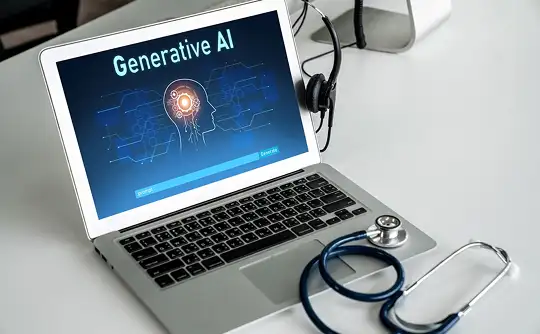

In an era where digital transformation is no longer optional but essential, telemedicine has emerged as a powerful driver of accessible, patient-centric care. Among the technologies reshaping healthcare delivery, AI-powered telemedicine is playing a pivotal role. These intelligent systems are redefining how healthcare providers interact with patients, especially in scenarios requiring real-time support, triaging, and appointment scheduling. As hospitals and clinics worldwide seek innovative, scalable solutions to improve engagement and operational efficiency, the strategic deployment of AI-driven platforms is becoming central to digital health strategies.
This blog explores how e-consultation, enabled by telemedicine platforms and augmented by artificial intelligence, is transforming access to care and facilitating a more seamless, data-driven healthcare experience.
From Traditional Visits to Virtual Encounters
Telemedicine, once considered a supplement to in-person care, is now a cornerstone of modern healthcare. Its evolution from basic phone consultations to sophisticated video visits and AI-supported chat platforms- mirrors the broader shift toward personalized patient care. During the COVID-19 pandemic, telemedicine experienced exponential growth, acting as a critical lifeline for both patients and providers.
In this progression, AI-powered telemedicine systems are rapidly gaining prominence. Unlike traditional web-based interfaces, AI-enhanced platforms allow for more natural, intuitive communication, especially for elderly or differently-abled patients. These systems can collect patient data, provide real-time responses, and escalate cases to human providers when necessary—all while improving operational workflows.
Intelligent Technology in E-Consultation
At the heart of next-generation e-consultation lies intelligent automation for administrative and clinical functions. These tools offer a range of capabilities, including:
- Intelligent triage: Assessing symptoms and prioritizing care needs
- Appointment scheduling: Managing availability, follow-up visits, and rescheduling via natural language interfaces
- Patient education: Offering condition-specific information, medication reminders, and post-consultation care instructions
By reducing administrative burden and streamlining patient interactions, AI supports a more data-driven healthcare environment. It frees up clinicians’ time for high-value tasks, reduces operational costs, and ensures consistent, standardized communication across the organization.
Enhancing Access and Experience for Patients
A major benefit of AI-powered telemedicine is its ability to eliminate longstanding barriers to care. Intelligent systems can interact with patients in multiple languages, operate hands-free, and accommodate those with low digital literacy. For example, a rural patient without access to a smartphone can use a landline-integrated voice service to book a consultation or receive health updates.
Moreover, AI-enhanced telehealth platforms promote continuity of care by integrating seamlessly with electronic health records (EHRs) and clinical decision support systems. When a patient books a virtual appointment, the system can automatically retrieve relevant medical history, prepare the provider for the consultation, and even initiate pre-visit questionnaires or consent forms.
This seamless experience contributes to higher satisfaction rates and improved care adherence, key metrics in value-based healthcare models.
Clinical Efficiency and Staff Empowerment
From the provider’s perspective, telemedicine platforms enhanced by AI help reduce burnout by minimizing administrative load. Instead of navigating multiple systems to manage schedules, reminders, or follow-ups, staff can rely on automation and intelligent interfaces to manage workflows.
AI-enabled systems also offer:
- Automated intake and documentation: Recording and transcribing patient inputs during consults
- Real-time alerts and notifications: Notifying staff about late arrivals, urgent care needs, or medication interactions
- Virtual rounding: Supporting remote patient check-ins for hospitalized individuals
These functionalities contribute to more efficient workflows, fewer manual errors, and quicker decision-making outcomes aligned with the principles of personalized patient care and operational excellence.
Integration with Broader Digital Health Infrastructure
True transformation occurs when telemedicine is not siloed but integrated into the broader digital transformation strategy. AI systems are being embedded within hospital CRMs, population health dashboards, and remote monitoring networks, creating an ecosystem where data flows securely and intelligently between patients and providers.
For example, a hospital can deploy an AI-enabled bot to:
- Reach out to high-risk patients for follow-up
- Offer reminders for annual screenings or immunizations
- Collect feedback post-discharge to improve service delivery
When connected to analytics engines, these interactions generate insights into patient behavior, preferences, and satisfaction levels, enabling data-driven healthcare leadership decisions.
Regulatory and Ethical Considerations
As with all innovations in healthcare, AI technologies must adhere to data privacy laws (like HIPAA and GDPR), ensure equitable access, and maintain clinical integrity. Designing AI interactions that are culturally sensitive, bias-aware, and inclusive is crucial. Additionally, transparency in how patient data is collected and used helps build patient trust, which is essential for the ethical and effective deployment of digital health technologies.
Healthcare organizations should collaborate with legal, IT, and clinical teams to vet vendors, conduct risk assessments, and train staff in the ethical deployment of AI.
Case in Point: Global Impact of Telemedicine
Real-World Use Cases of AI-Powered Telemedicine
1. Quad One – AI-Powered Telemedicine and Patient Engagement
Quad One Technologies has developed an AI-driven Hospital CRM platform that integrates seamlessly with telemedicine services, enhancing patient engagement and streamlining healthcare operations. The solutions include an AI WhatsApp Hospital Bot, which allows patients to book or reschedule appointments, access medical reports, and receive specialist recommendations through a conversational interface. This approach simplifies the patient journey by eliminating the need for additional app downloads, making healthcare more accessible and user-friendly.
2. Practo – International Specialist Consultations for Indian Patients
Practo, one of India’s leading telemedicine platforms, offers international consultations by connecting Indian patients with globally renowned specialists. Through secure video and document-sharing tools, patients can access expert second opinions from doctors in the U.S., Singapore, and Europe. This service has been especially valuable for oncology and neurology cases, where advanced diagnosis or rare treatments are required. Practo reports increasing demand from Tier-2 and Tier-3 cities, helping bridge the gap in specialist access for complex medical conditions.
3. Sutter Health – AI Voice Assistants for Appointment Scheduling
Sutter Health, a major U.S. healthcare provider, integrated an AI-powered voice assistant into its call centers to improve scheduling efficiency. The AI system managed routine appointment bookings and prescription refill requests. The system quickly took over a significant portion of routine call handling, reducing wait times substantially and allowing staff to focus on more complex, high-value interactions.
4. Mount Sinai Health System – AI-Powered Virtual Care Platform
Mount Sinai implemented an AI-powered virtual assistant to assist with post-discharge care and remote monitoring. The system followed up with patients via SMS and voice to assess symptoms, remind them of medications, and escalate cases requiring attention. The hospital observed a noticeable improvement in patient recovery and follow-up adherence, supported by the AI-powered virtual care platform.
5. Mercy Virtual, USA – Remote Patient Monitoring
Mercy Virtual, a hospital without beds, uses AI and telemedicine platforms to monitor chronically ill patients at home. Patients wear connected devices, and AI flags early signs of deterioration. This has contributed to a noticeable decrease in hospital admissions for chronic conditions like heart failure and COPD, enhancing personalized patient care at scale.
6. Babylon Health (UK & Rwanda) – AI Chatbot for Primary Care
Babylon Health’s AI chatbot supports millions of patients across the UK and Rwanda with 24/7 triage and virtual consultations. In Rwanda, the tool has improved healthcare access in rural regions, allowing more than 1 million users to receive remote consultations, many of whom had limited or no prior access to primary care.
These examples demonstrate the tangible benefits of combining virtual care with intelligent technology to advance patient-centric care.
Case in Point: Global Impact of Telemedicine
Hospitals across the U.S., India, and Europe are already seeing results from implementing telemedicine solutions:
- A U.S.-based health system reported a 30% reduction in appointment no-shows after introducing AI-based scheduling reminders.
- An Indian health-tech platform enabled 24/7 multilingual voice and chatbot services for rural patients, doubling patient engagement in two quarters.
- A European hospital chain integrated AI into its oncology follow-up program, streamlining symptom tracking and scheduling for over 10,000 patients.
These examples demonstrate the tangible benefits of combining virtual care with intelligent technology to advance patient-centric care.
Strategic Recommendations for Healthcare Leaders
To successfully adopt AI-enabled telehealth solutions, decision-makers should:
- Assess readiness: Evaluate current IT infrastructure, digital maturity, and staff training needs.
- Pilot and iterate: Start with specific use cases like appointment scheduling or follow-up management.
- Ensure inclusivity: Design for multilingual support, low-literacy users, and varied accessibility needs.
- Monitor KPIs: Track metrics such as no-show rates, patient satisfaction, and staff efficiency.
- Stay compliant: Work with legal counsel to ensure all deployments meet data privacy and medical standards.
By taking a strategic, patient-first approach, healthcare leaders can harness AI to drive operational excellence and better clinical outcomes.
Conclusion
The rise of telemedicine marks a significant leap toward personalized patient care and operational modernization. As virtual care evolves, AI-powered telemedicine is no longer a futuristic novelty, it is a practical, scalable solution for enhancing access, reducing friction, and enabling smarter engagement.
By integrating artificial intelligence into digital health ecosystems, providers can offer more humanized, efficient, and responsive care experiences, hallmarks of a truly patient-centric care model. As healthcare continues to evolve, organizations that leverage AI in healthcare responsibly and strategically will lead the way in delivering equitable, data-informed outcomes.
Transform Healthcare Access, One Virtual Visit at a Time
Stay ahead with expert insights and proven strategies on how AI-powered telemedicine is reshaping patient engagement, scheduling, and care delivery. Subscribe now!